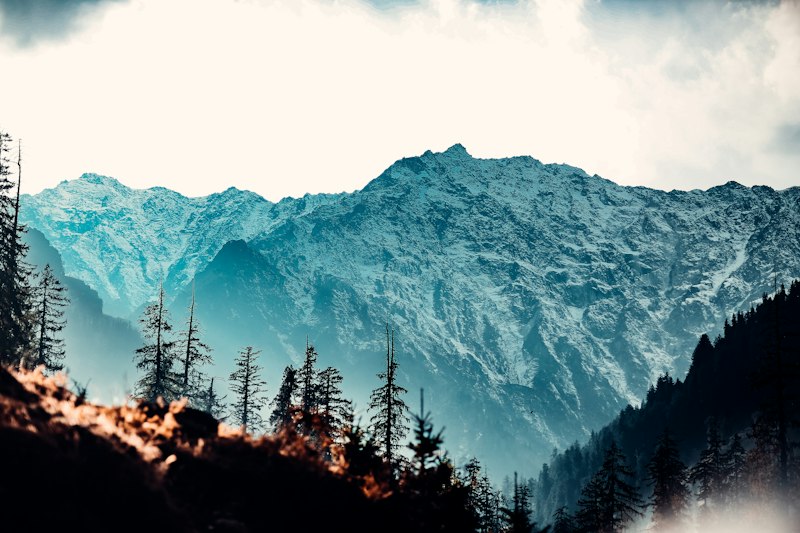
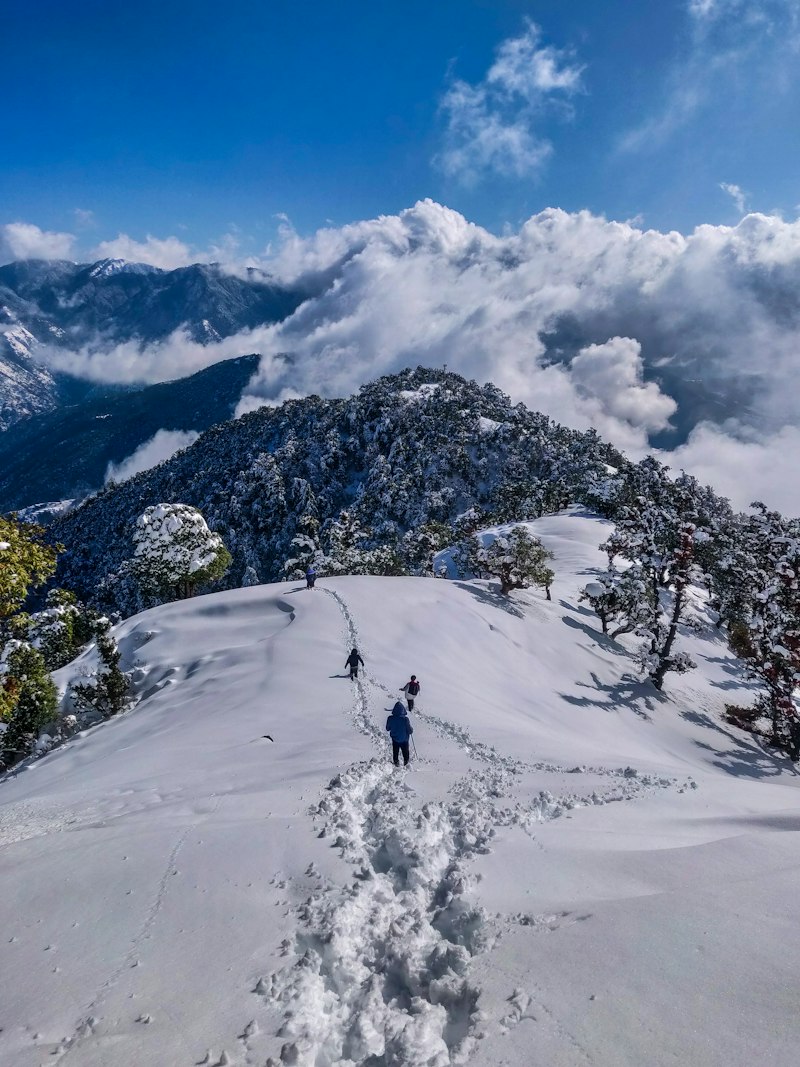
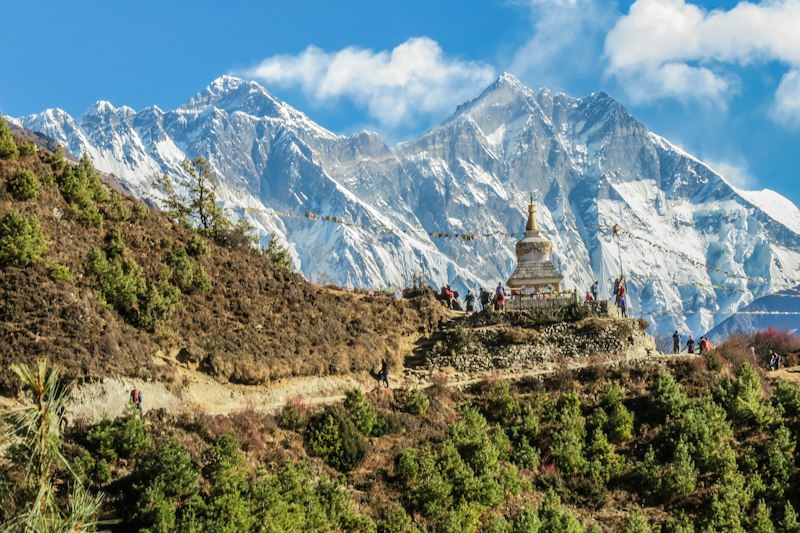
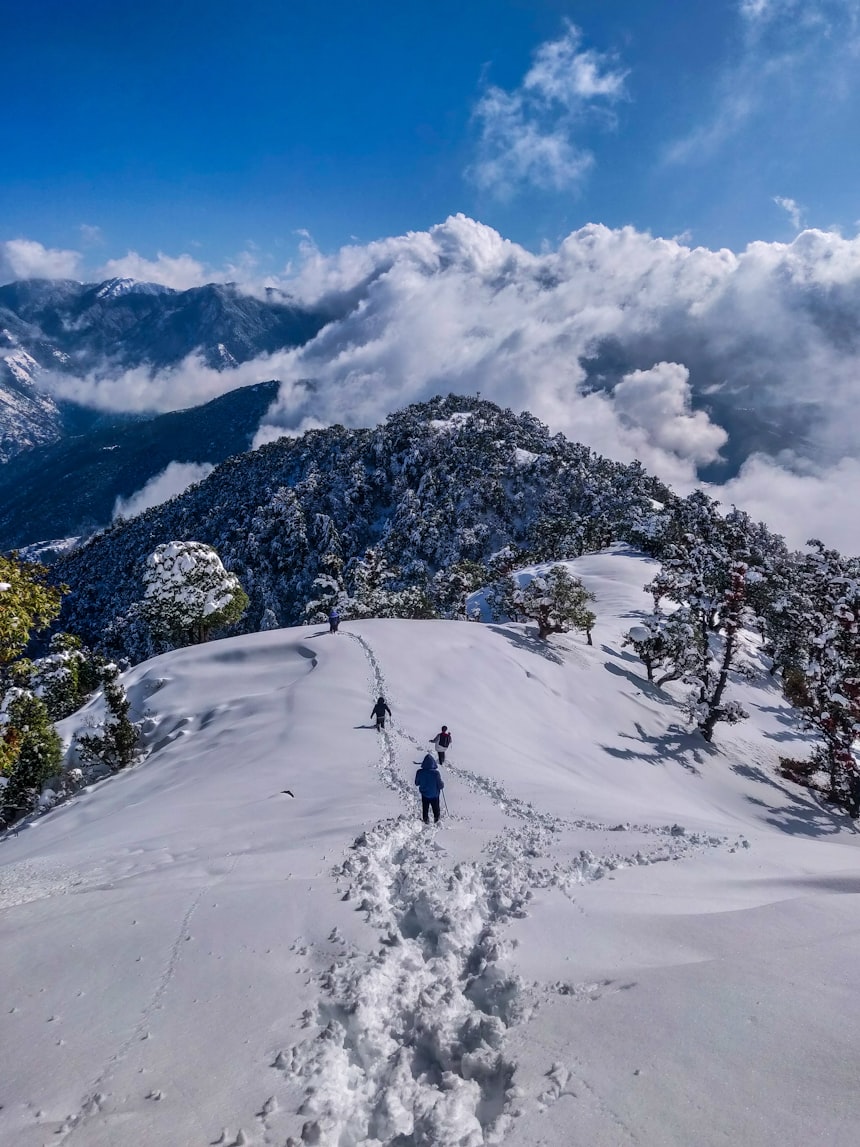
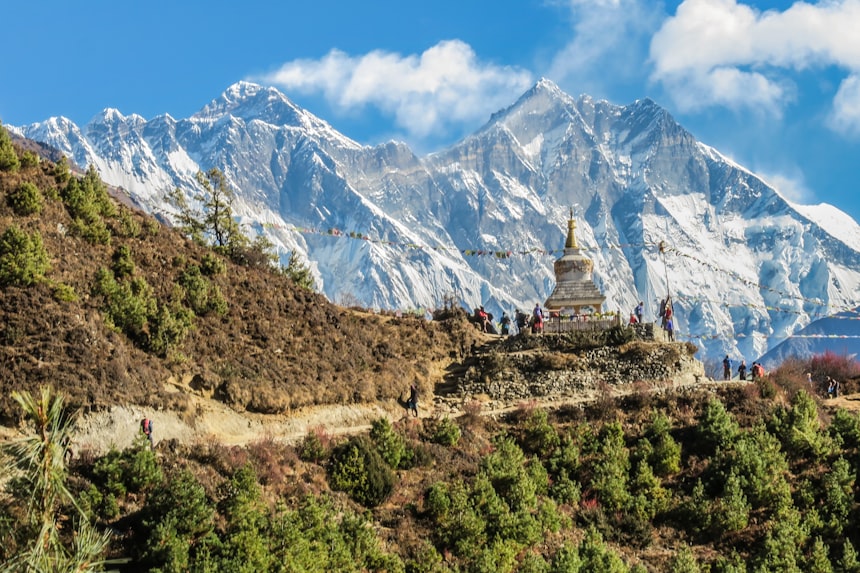
From the apple orchards of Kinnaur to prayer flags over Spiti, frozen monasteries of Ladakh to living root bridges of Meghalaya — we document the cultures the world is forgetting.
Every guide is written by people who've lived among the communities they describe. No stock photos. No copy-paste itineraries. Deep, respectful documentation of living cultures.
From Himalayan high-passes to jungle valleys — every region is a civilization unto itself.
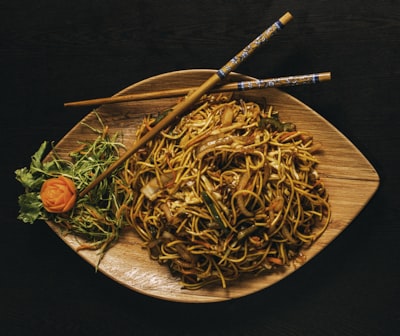
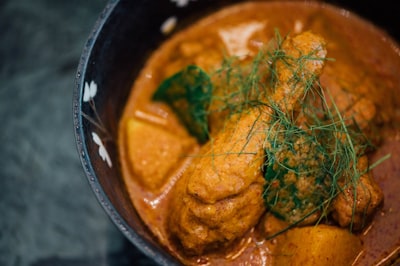
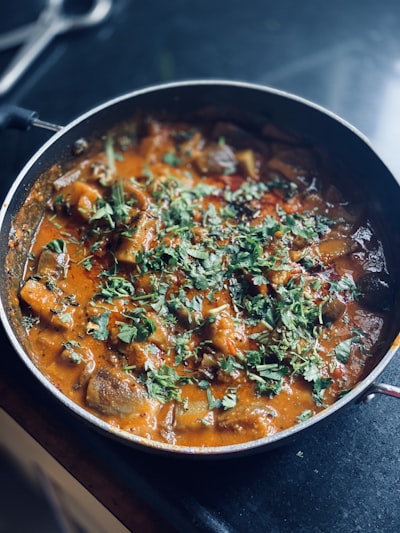
At 4,000 metres, food is survival philosophy. Tsampa for warmth, chhang for community, smoked meats for winter — every bite tells a story of altitude, season, and kinship.
Explore Food GuidesFounded in 996 AD, Tabo holds the oldest intact cycle of Buddhist murals in the Himalayas. We spent two weeks with the monks who guard this fragile, irreplaceable world.
How Nagaland's ten-day gathering became both a tribal lifeline and a fraught tourism spectacle — and what the tribes themselves think about it.
At 3,450m, India ends and something older begins. A portrait of the community living at the edge of the known world.
Carefully designed journeys that prioritize cultural exchange, community benefit, and genuine transformation.
Everything the guidebooks skip — permits, altitude sickness, packing lists, responsible travel codes, and the unofficial rules of high-altitude hospitality.
Tribes & Traditions gave me not just a route, but a way of seeing. I spent three weeks in Kinnaur and felt like I'd been handed a key to a world that had been waiting for me.
— Priya Menon, Bangalore · Kinnaur & Spiti, October 2024Kinnaur is India's most dramatically diverse district — a territory transitioning from subtropical valleys at 1,000m to Arctic tundra above 6,000m within a single day's drive. It is simultaneously a Hindu pilgrimage corridor, a Buddhist cultural heartland, and one of India's finest apple-growing regions.
Kinnauris are a distinct ethnolinguistic group who practice a unique blend of Hinduism and Tibetan Buddhism. The traditional dress — the Kinnauri topi with green velvet band and the striped woolen shawl — is worn with genuine pride, not for tourists. Village governance through devtas (divine councils) continues to shape daily life decisions in ways that modern administration cannot replicate.
May–June for apple blossom; September–October for harvest and clearest skies. Kinner Kailash circumambulation trek: July–August.
Drive from Shimla via NH-5 (Hindustan–Tibet Road). Narrow, dramatic, spectacular. Shared taxis from Rampur to Sangla and Kalpa. Nearest airport: Shimla (helicopter service available to Recong Peo).
Spiti means "the middle land" — the ancient corridor between Tibet and India, now a cold desert at 3,800–4,500m. Buddhism was preserved here during periods when Tibet itself was ravaged by invasion. The monasteries here may hold the most unbroken line of Himalayan Buddhist practice anywhere on Earth.
The Spiti monastery circuit — Tabo → Dhankar → Kye → Kibber → Langza — in 5 days by vehicle or 10 days on foot. Our guide provides monk contacts, morning prayer schedules, and which monasteries accept volunteers.
Ladakh is a high-altitude desert spanning 59,000 sq km, home to spectacular Buddhist monastery architecture, the planet's most dramatic mountain landscapes, and a Tibetan culture that has maintained its distinct identity despite immense geopolitical pressure.
Manali–Leh (475km, two days) via Rohtang, Baralacha La, Lachulung La, and Tanglang La. Srinagar–Leh via Zoji La is gentler. Our guide provides day-by-day maps, mechanic contacts at Keylong and Pang, and altitude schedules.
Sikkim was an independent kingdom until 1975. That independent spirit — a particular mix of Nepali, Lepcha, and Bhutia cultures threaded through Tibetan Buddhism — remains vivid in its festivals, food, and village life. At 7,096 sq km, it is India's smallest state and arguably its most culturally rich per square kilometre.
Sikkimese cuisine reflects its ethnic diversity — Gundruk (fermented greens), Sel Roti (rice flour doughnuts), Chhurpi soup, and Tongba (millet beer drunk through bamboo straw). Our food guide maps each dish to its ethnic community and seasonal context.
The Seven Sisters — Arunachal, Assam, Manipur, Meghalaya, Mizoram, Nagaland, and Tripura — contain more ethnic diversity than most of continental Europe. Over 220 tribes, 400 dialects, and dozens of distinct religious traditions coexist in a region the size of France.
The Hornbill Festival (first week of December) is the world's most dramatic tribal gathering — 16 Naga tribes, each with distinct dress, songs, and warrior traditions, assembled in Kisama Heritage Village. Our guide includes homestay contacts in Kohima and how to connect with individual tribe members beyond the festival.
One of the world's few matrilineal societies where property and family name pass through the mother's line. The living root bridges of Cherrapunji and Mawlynnong are engineering marvels grown over centuries by Khasi communities. Our guide covers off-season visits when you have the bridges entirely to yourself.
India's easternmost state is a land of extraordinary tribal diversity, ancient animist traditions, and one of the most dramatic monastery landscapes outside of Tibet. The Tawang Monastery (Galden Namgey Lhatse, founded 1681, at 3,048m) is the largest in India and second largest in Asia after the Potala.
Ziro Valley is both a UNESCO World Heritage aspirant and home to the Ziro Music Festival (September) — India's most beloved independent music gathering, set against rice terraces. Our guide covers Apatani family homestay access and festival logistics.
Kinnauri cuisine is shaped by altitude, isolation, and the extraordinary fertility of the Baspa and Sutlej valleys. Apple orchards, apricot trees, and walnut groves make this one of the most ingredient-rich cuisines in the Himalayas.
Sangla: the village women's cooperative dhaba near Kamru Fort. Chitkul: the last dhaba before Tibet. Kalpa: always ask your homestay family to cook — restaurant food pales beside home cooking here.
At 4,000m, every calorie counts. Spitian food is engineered for survival in extreme cold — high-fat, high-carbohydrate, and surprisingly flavourful. The cuisine descends directly from Tibetan food traditions but has developed its own cold-desert character.
Ladakhi cuisine is shaped by trade routes (the ancient Silk Road passed through Leh), Buddhist dietary principles, and the engineering constraints of cooking in a desert where firewood is scarce and winters extreme.
Naga cuisine is among India's most extraordinary — built on fermentation, smoke, and the legendary Naga King Chilli (bhut jolokia), one of the world's hottest. This is food with warrior DNA.
Kisama Heritage Village during Hornbill Festival has authentic stalls from all 16 tribes — the only place to taste all of Nagaland in one afternoon. In Kohima, family-run establishments over tourist restaurants.
Meghalaya's cuisine reflects three dominant tribal groups — Khasi, Garo, and Jaintia — each with distinct culinary traditions. The common thread is red rice, pork, freshwater fish, wild mushrooms, and forest greens.
Altitude sickness (AMS) is the single greatest risk facing travelers to Ladakh, Spiti, and Kinnaur. It is entirely manageable with proper preparation — and potentially fatal without it.
Always carry 5–6 photocopies of every permit. Checkpoints are frequent and unexpected.
Prioritize community-owned homestays over commercial hotels. Every rupee in a village household has a 3x local economic multiplier versus money spent in a chain. Our guides list verified community stays in every destination.
Tell us where you want to go. We'll send a personalised route, community contacts, and our best insider guides.